Mom’s stress during pregnancy may influence her child’s gut microbiome, later mental health
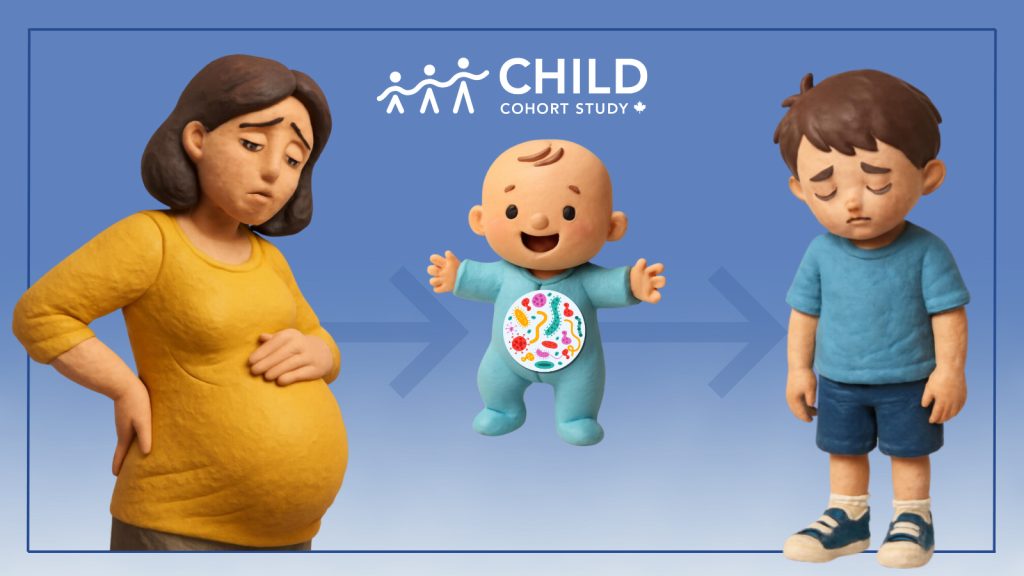
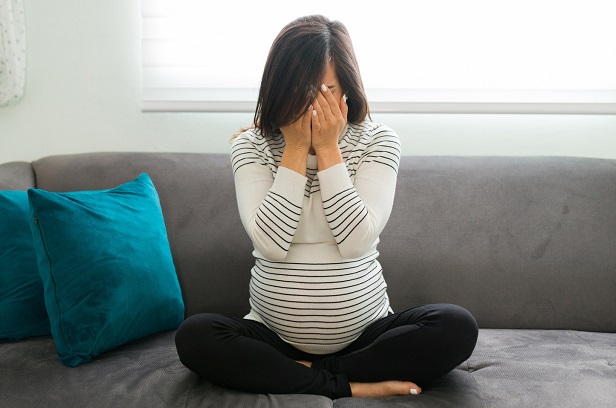
A mother’s stress during pregnancy may affect how her baby’s gut microbiome develops in the first year of life. In turn, this may influence the child’s later risk for anxiety and depression.
Researchers used data from nearly 3,000 families enrolled in CHILD to explore links between the stress levels of pregnant mothers, their children’s gut microbiome at 3 and 12 months, and the emotional wellbeing of these children at age 5.
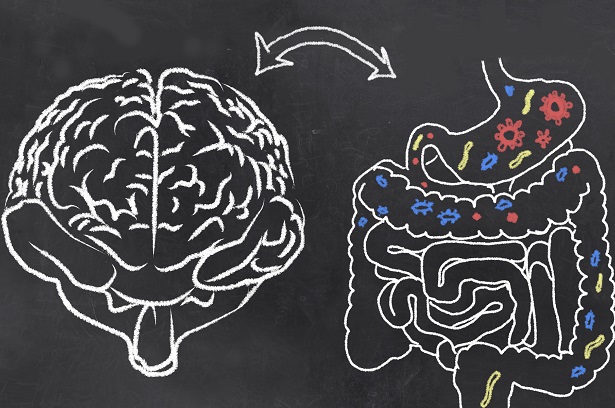
The microbiome—the community of bacteria, fungi and other microbes that live in and on our bodies—plays a crucial role in our immune, metabolic, and brain development early in life.
EARLIER MICROBIOME DEVELOPMENT
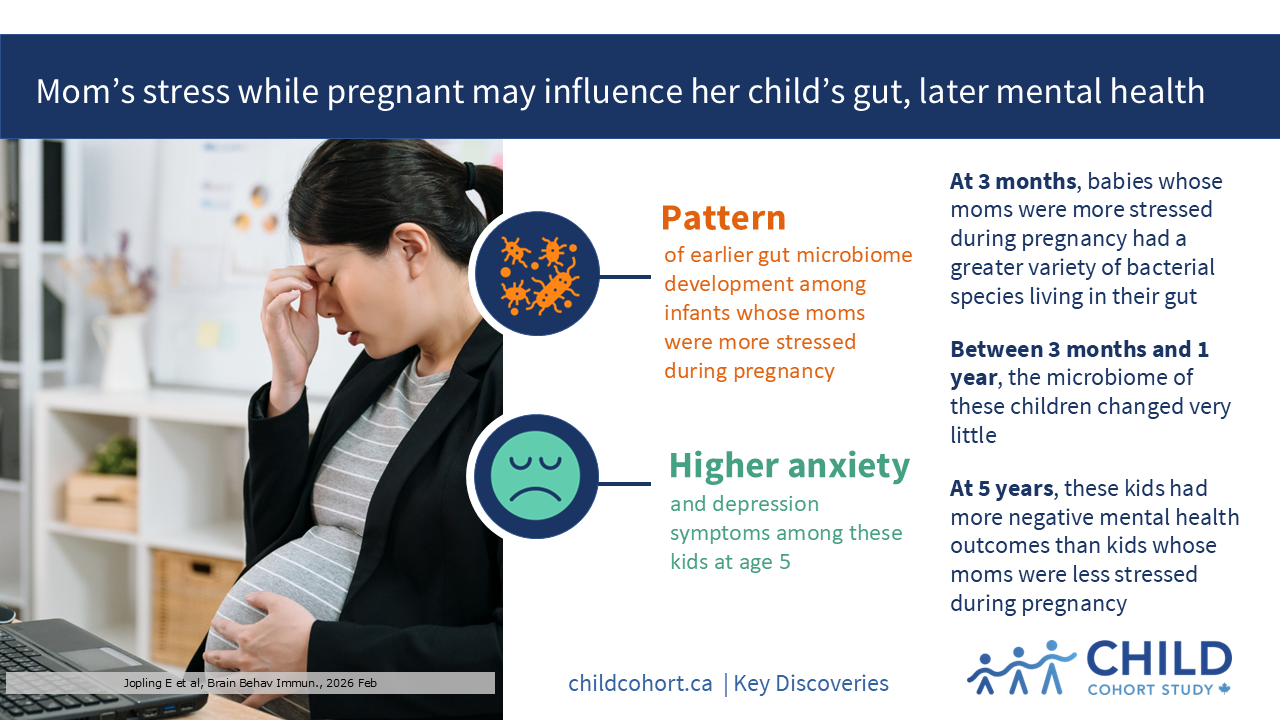
In a paper published in Brain Behaviour and Immunity, the researchers reported that when moms experienced higher stress during pregnancy, their babies showed a pattern of gut earlier microbiome development in infancy.
The microbiome begins maturing at birth, with new bacteria slowly incorporated across the first year. This process seems to be tightly regulated by nature, with similar patterns in babies worldwide. Evidence suggests that the pace of maturation is as important as the microbes involved.
The researchers found that at 3 months, babies whose mothers reported more stress during pregnancy had higher gut microbial diversity—meaning a greater variety of different bacterial species living in their gut—compared to those whose mothers did not report high levels of stress during pregnancy.
MENTAL HEALTH IMPLICATIONS
After this period of rapid early development, the microbiomes of these children then underwent a long stable period with little change. This pattern, in turn, was associated with later mental health outcomes.
Both higher microbial diversity at 3 months and reduced change in diversity from 3 to 12 months were linked to higher symptoms of anxiety and depression at 5 years of age.
By linking prenatal stress, early microbiome development, and later child mental health, this finding suggests pregnancy is a critical window to support children’s later emotional health.
This knowledge suggests it may be useful to promote policies that reduce stress in pregnancy, as well as targeted biological interventions that support healthy microbiome development in at-risk infants.