CHILD 13-year visits completed, 16-year visits underway!

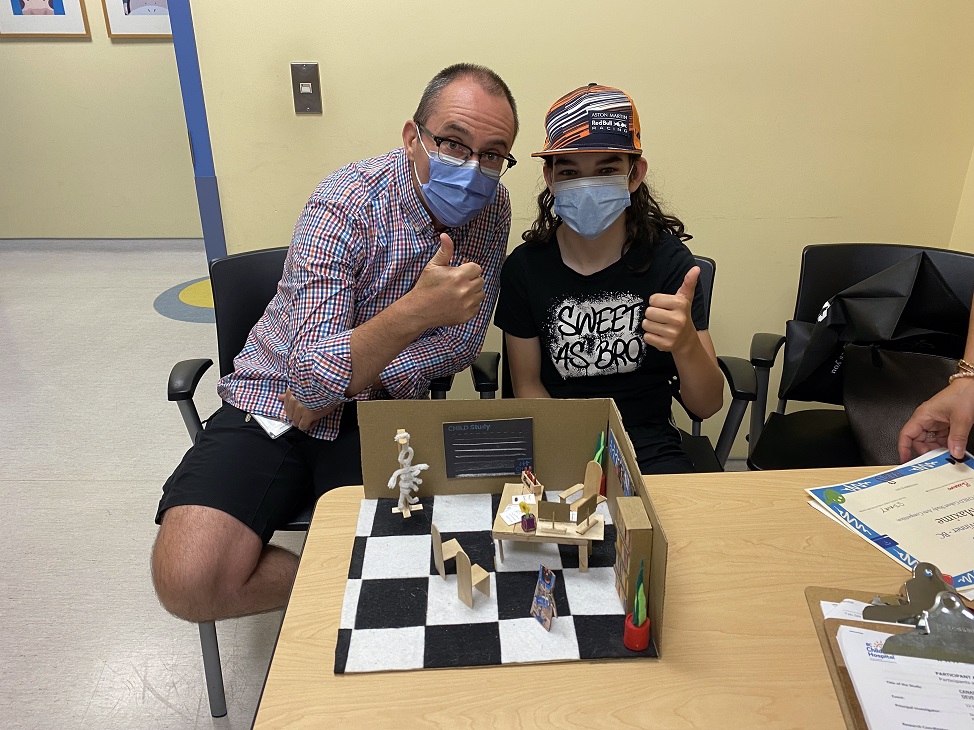
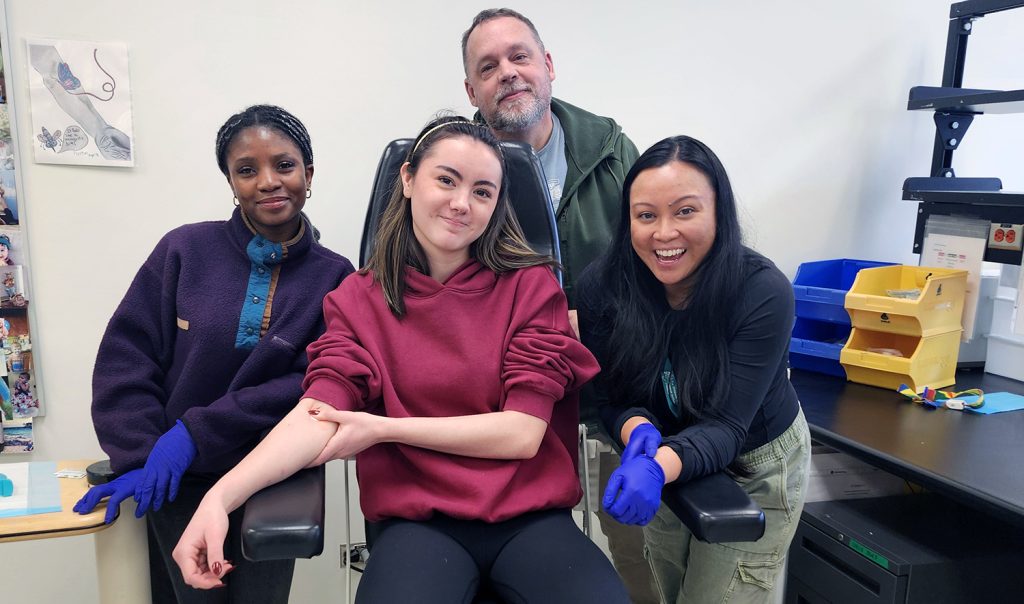
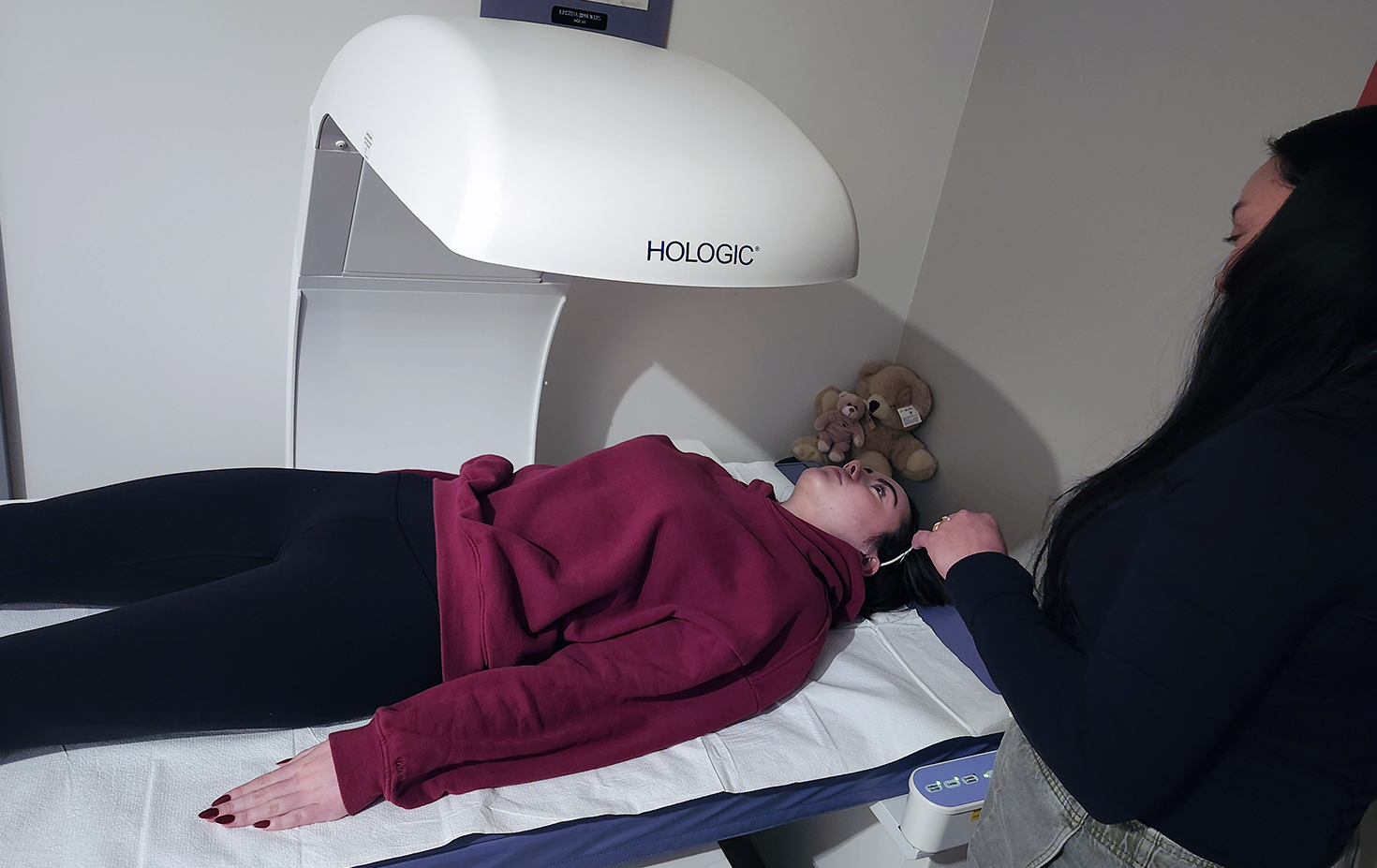
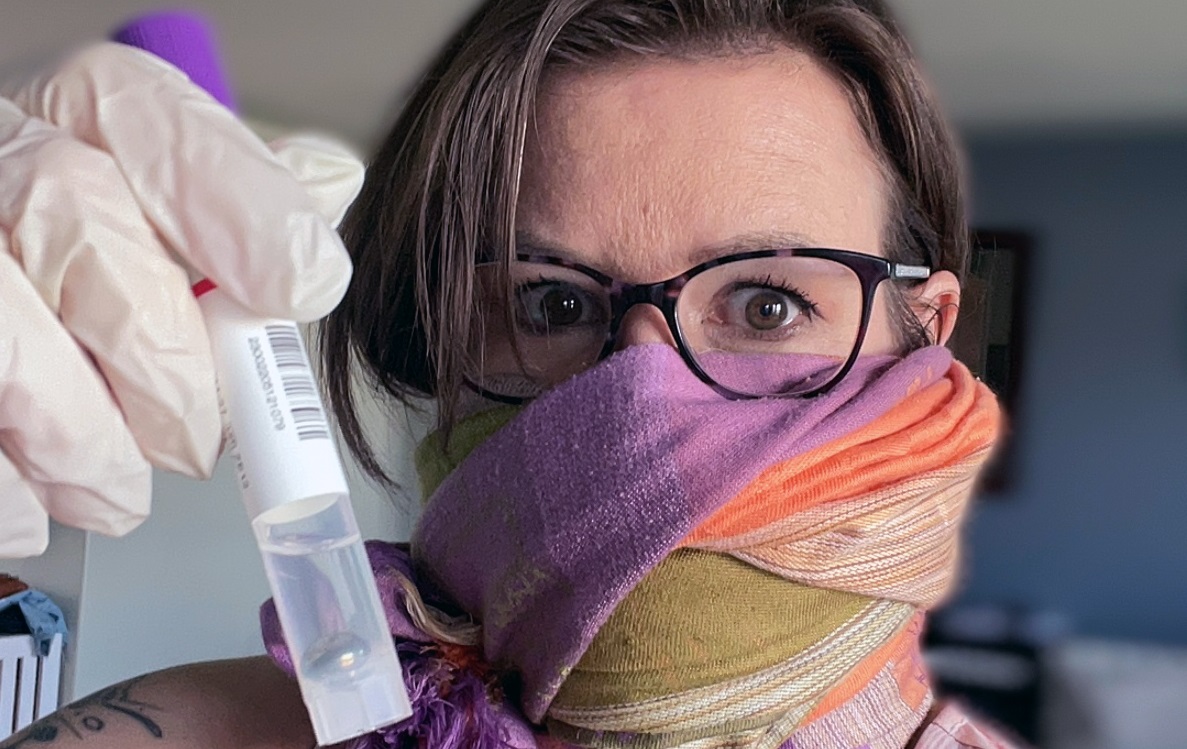
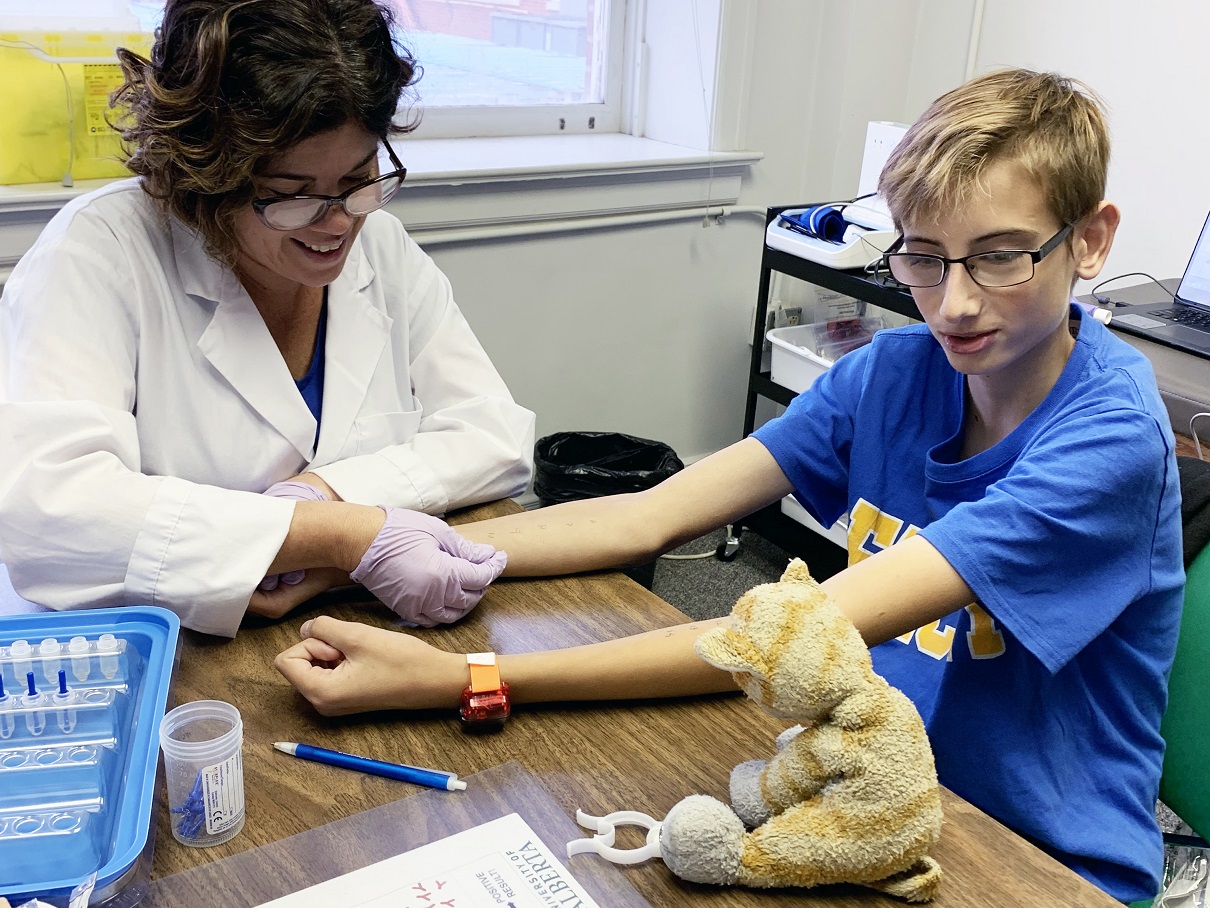
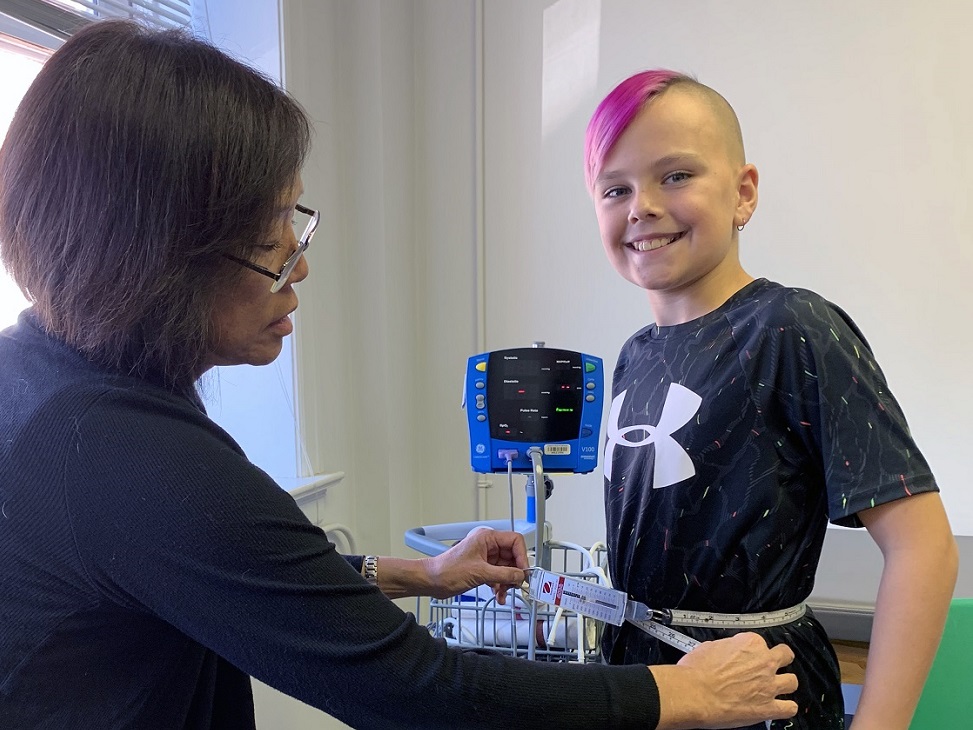
Naomi completes her 16-year visit in Winnipeg

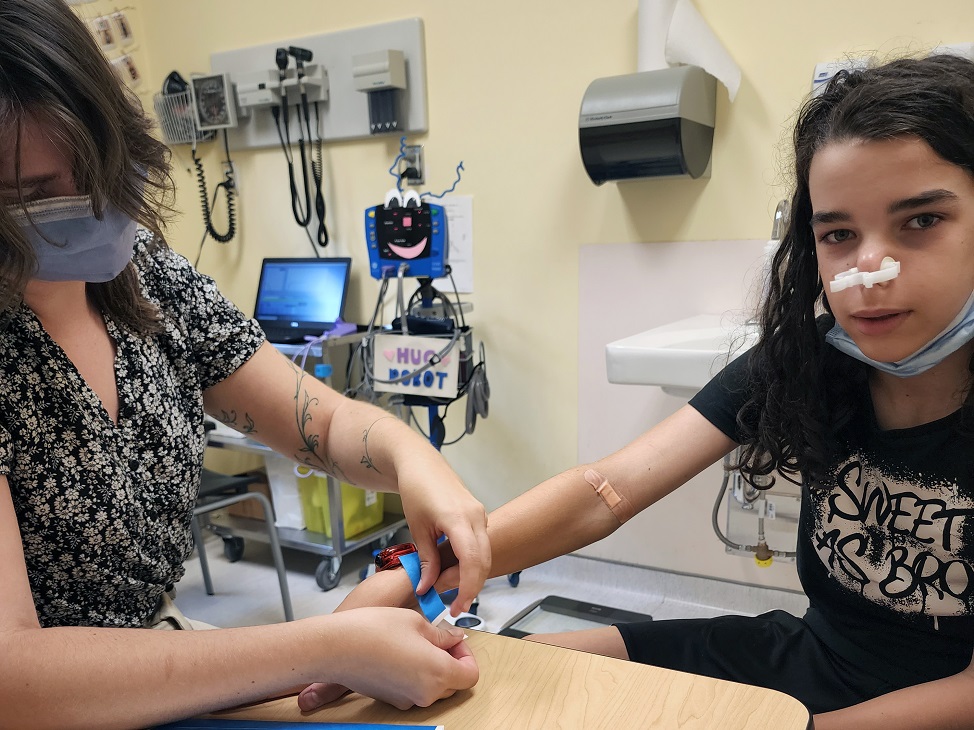
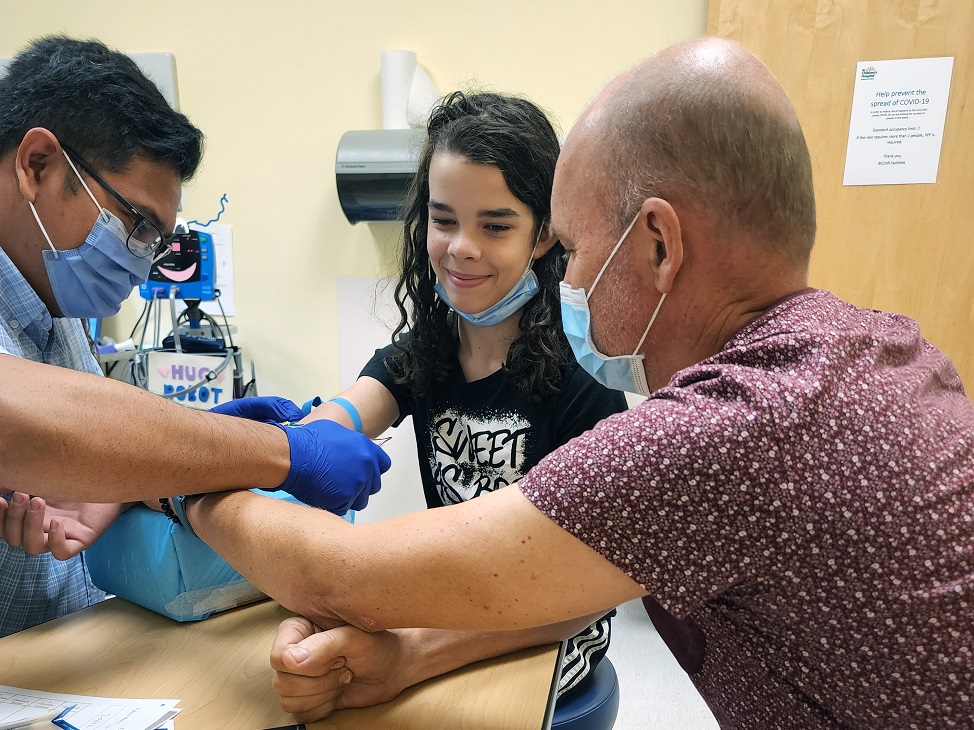
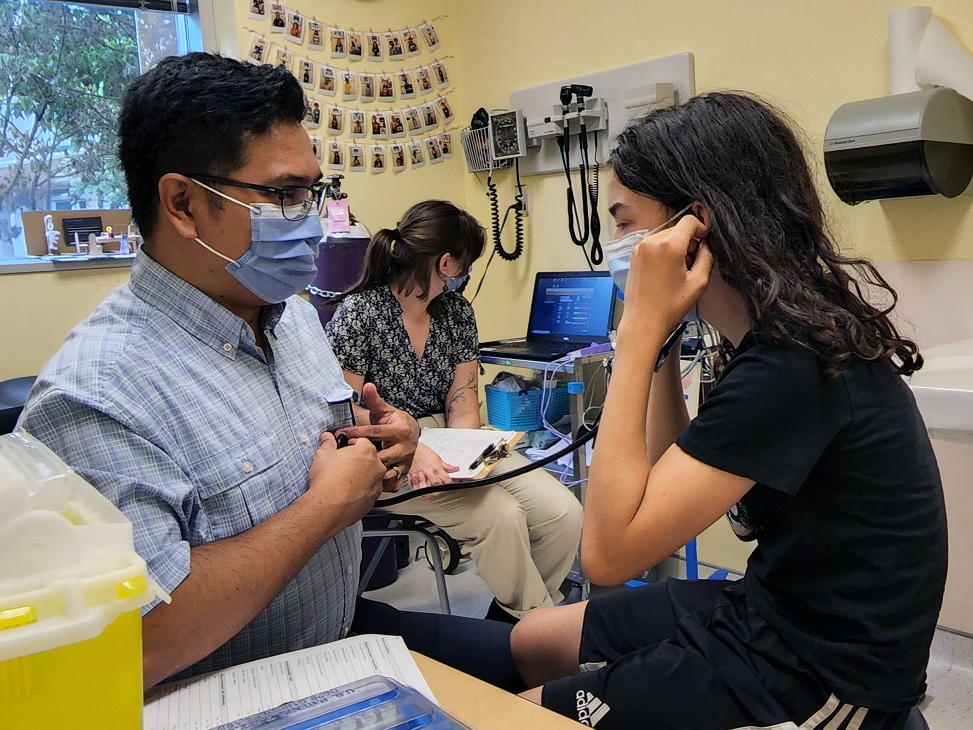
16-year visits

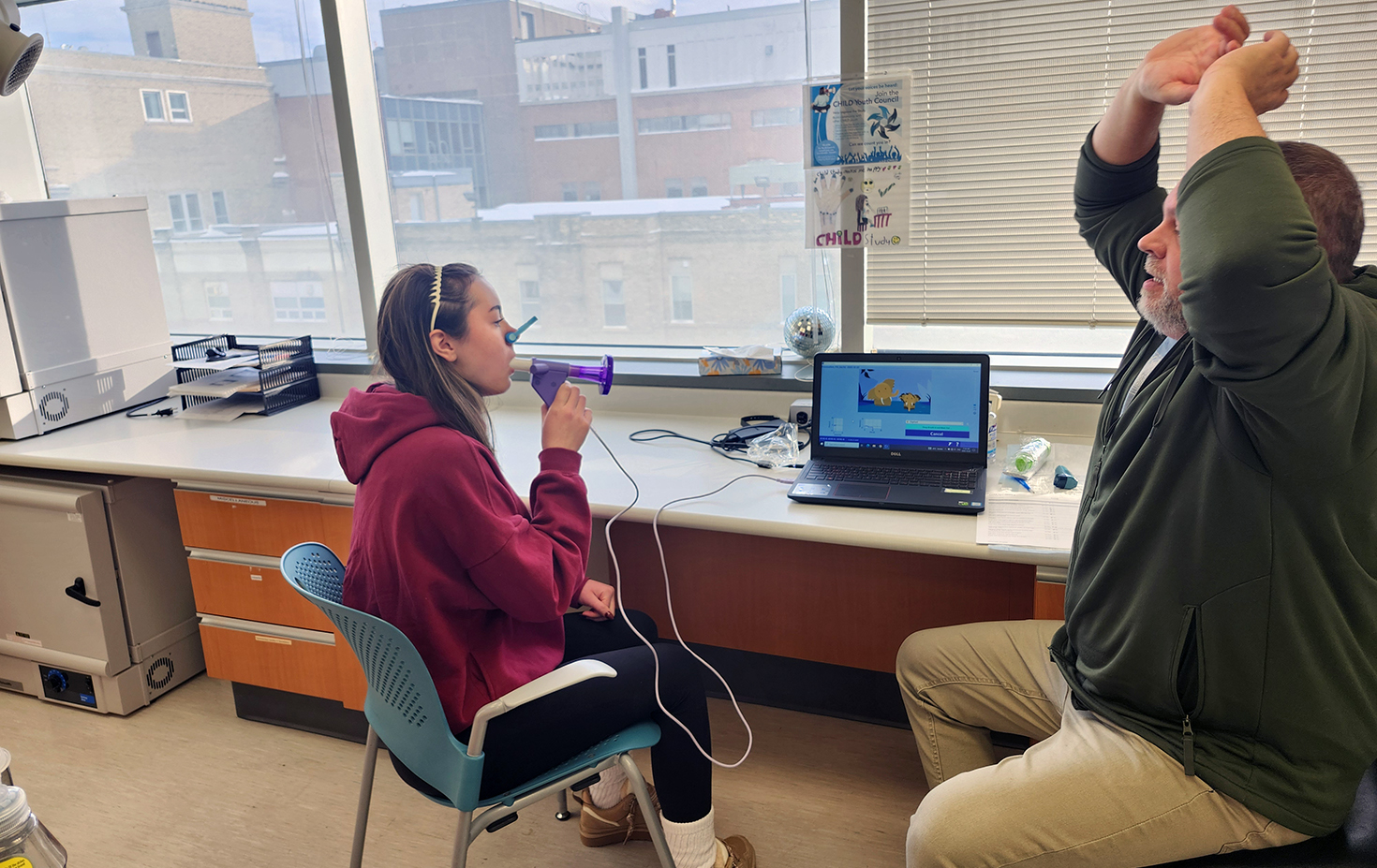
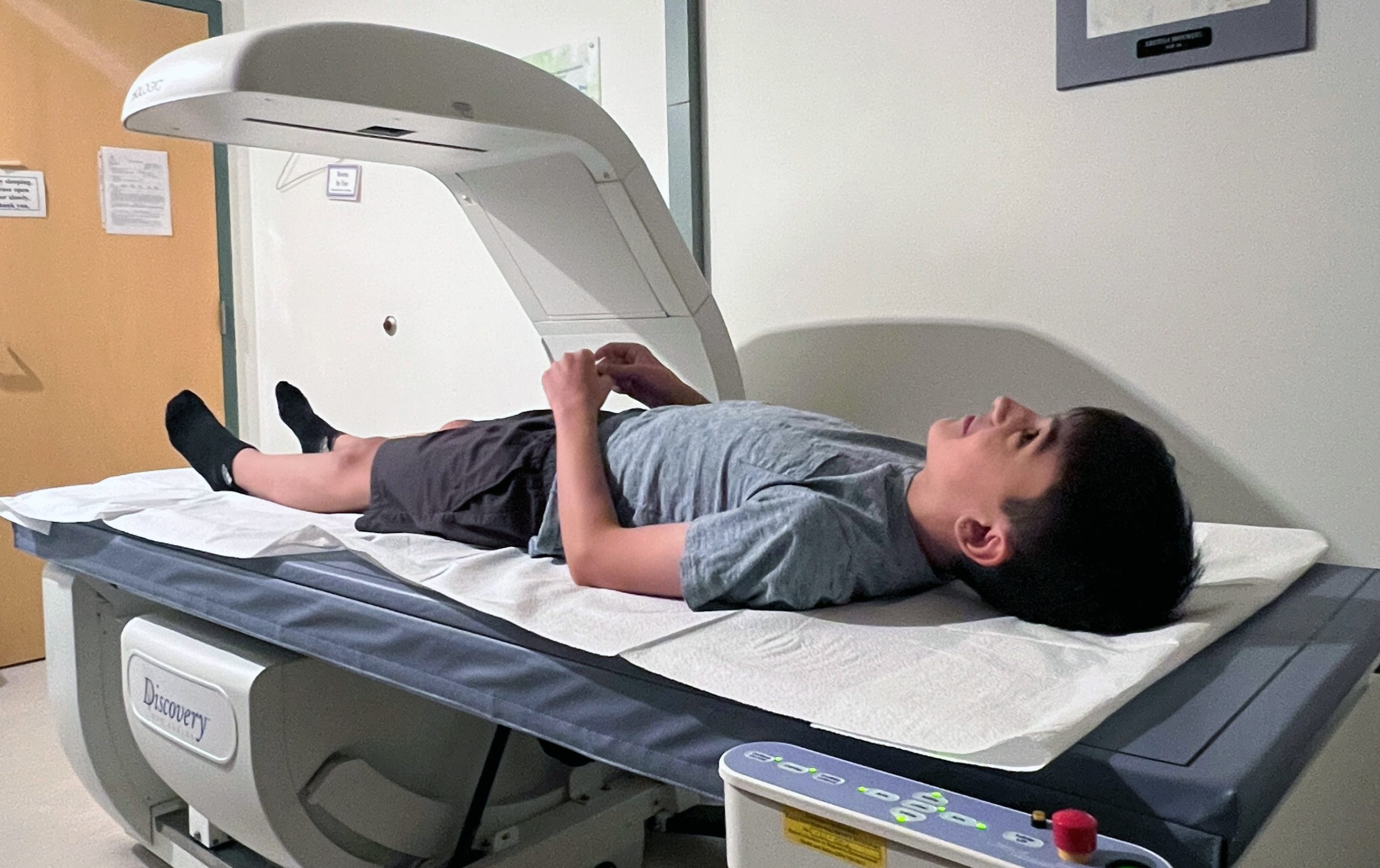
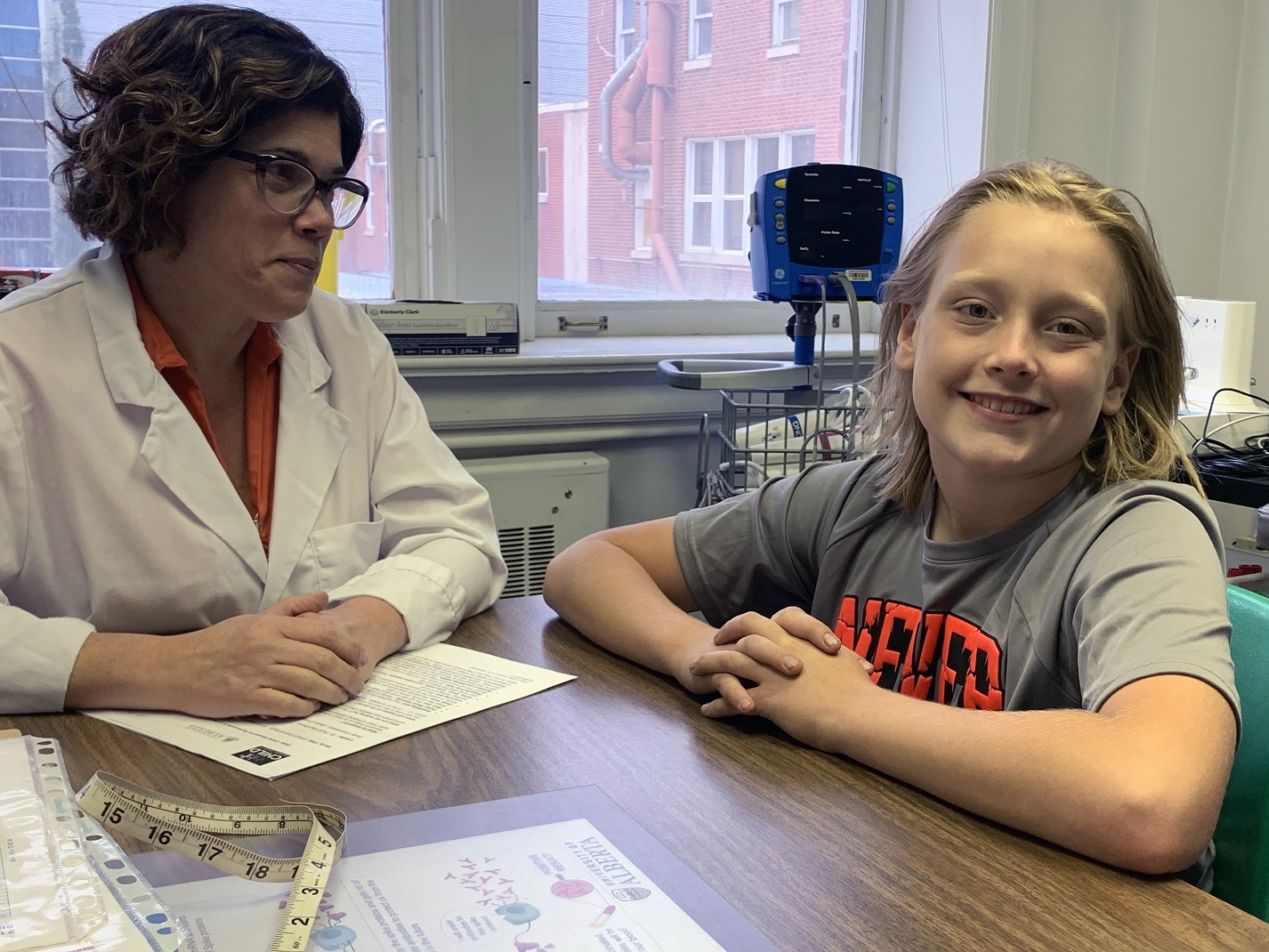
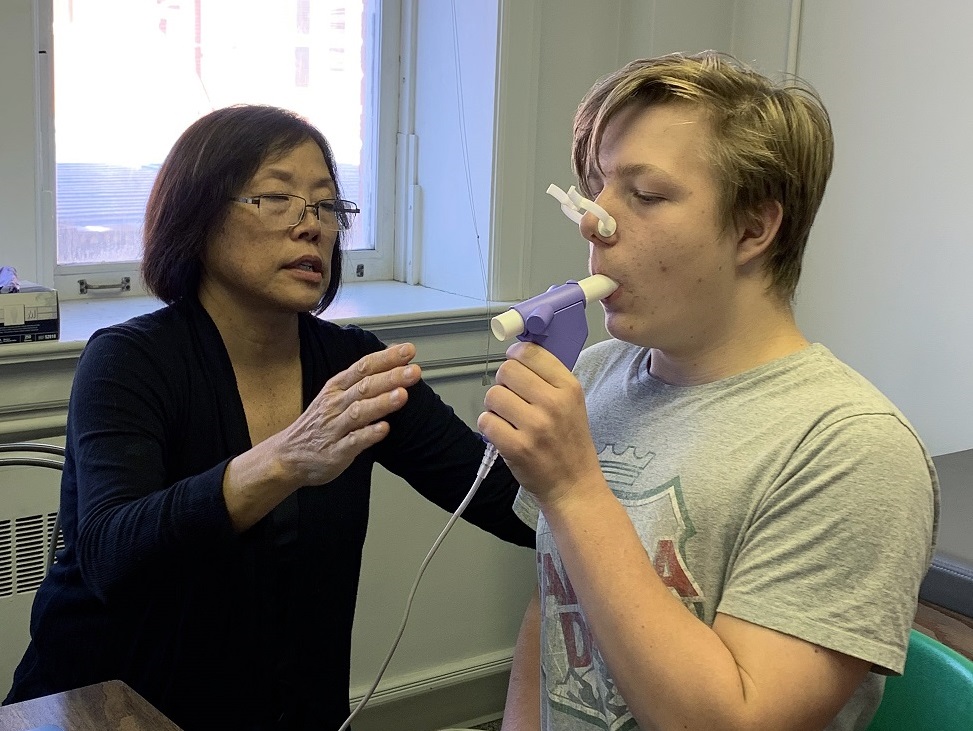
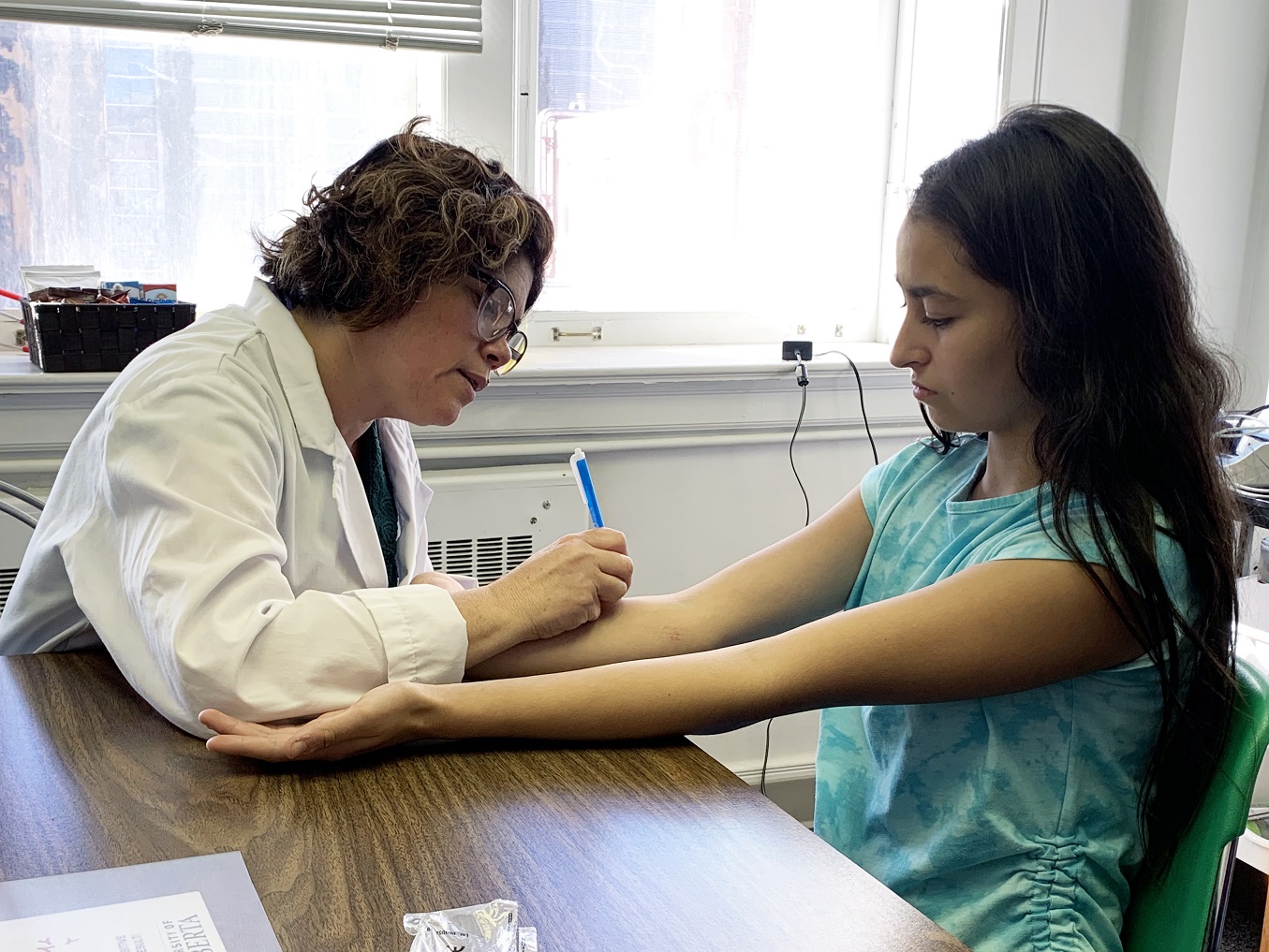
We are excited to announce that the first CHILD clinic visits in the new 16-year round of data collection have begun.

Initial 16-year visits were held in Vancouver on February 7, 2026, in Edmonton on February 9, 2026, in Winnipeg on December 2, 2025, and in Toronto on January 19, 2026.

This visit was co-designed with our youth participants—in part by capturing their input through the recently formed CHILD Youth Advisory Council—and it emphasizes issues of particular interest to them. This means that in addition to collecting key measurements connecting environmental with asthma and allergies, we are investigating mental wellness, substance use, stress, and lived experiences. We are also prioritizing hearing directly from our youth regarding their lived experiences and identities, through questionnaires to be answered by them and not their parents.

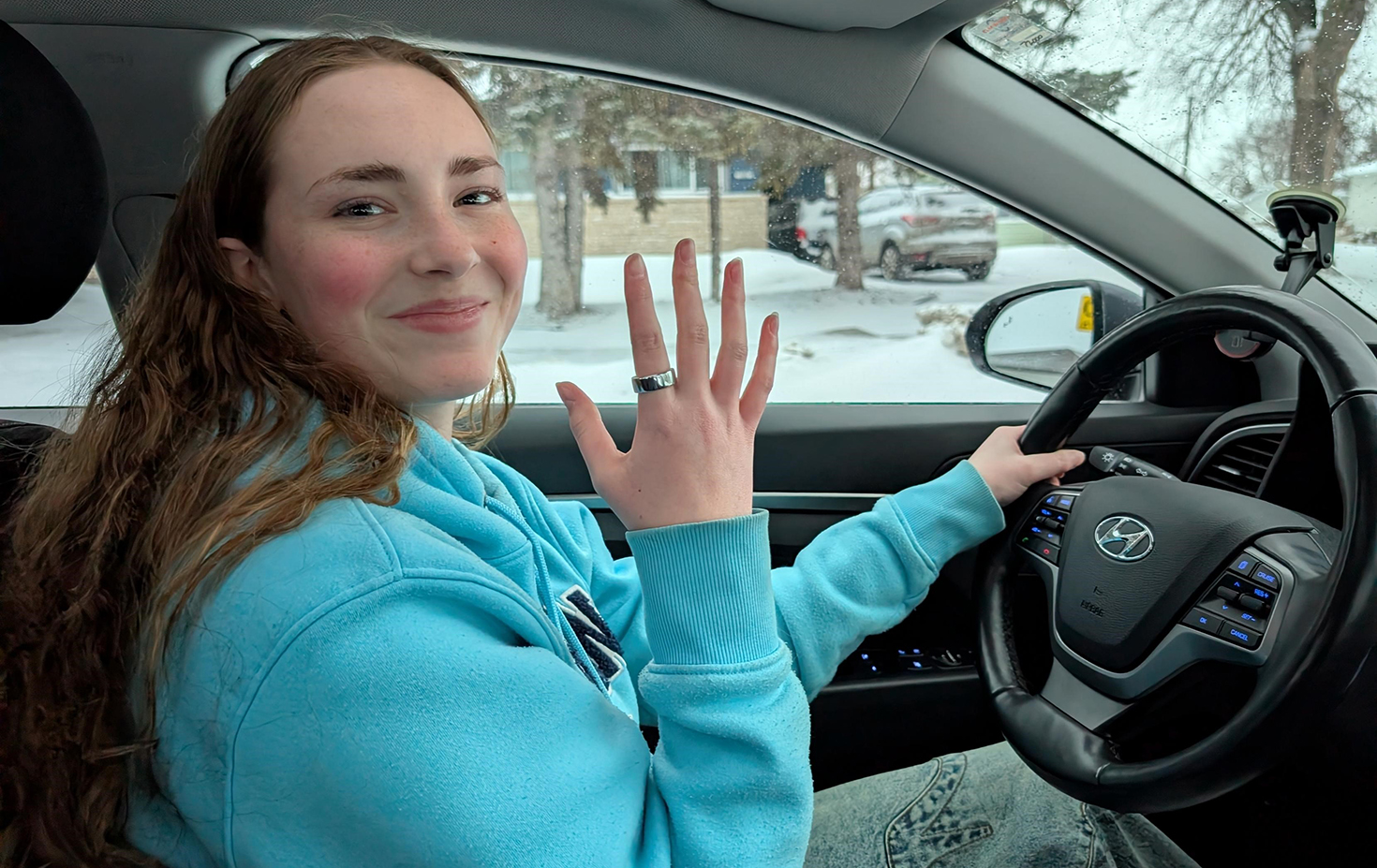
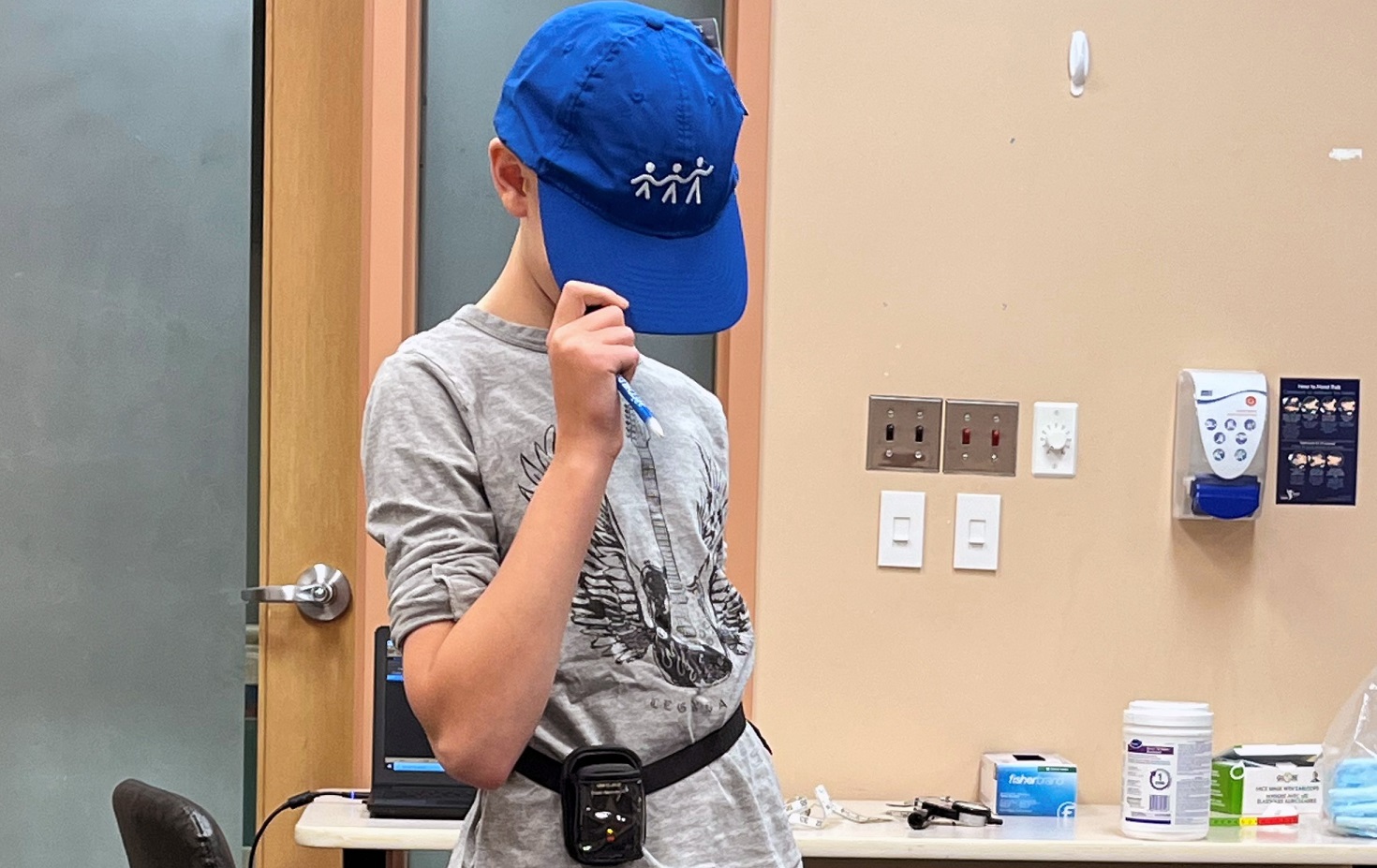
We have also taken care to make this visit less burdensome. Questionnaires have been streamlined for faster completion; we continue to utilize the Keenoa app to capture detailed nutrition data without extensive questionnaires; and we are replacing the actigraphy wearable we used previously with a different wearable that is smaller (an Oura Ring, worn on one’s finger) a, sleeker and that collects more data with greater accurately. Thanks to the Oura App, participants can see their health results in real time.

CHILD will continue conducting 16-year clinical visits at its four sites across Canada over the next three years, to collect data from as many participating families as possible. We encourage all CHILD families to join us, even those who have missed a visit or two. We especially encourage all participating fathers to renew their consent, supporting the continued use of their data in future research.

As a gesture of thanks and to acknowledge the time involved with supporting this study, CHILD is also offering participants recognition for volunteer hours spent, letters of reference for youth, as well as reimbursement in the form of gift cards for taking part in the 16-year visit.

Want more details about the 16-year visit? Check out this this overview of the 16-year visit, prepared for participants, and watch the related video below.

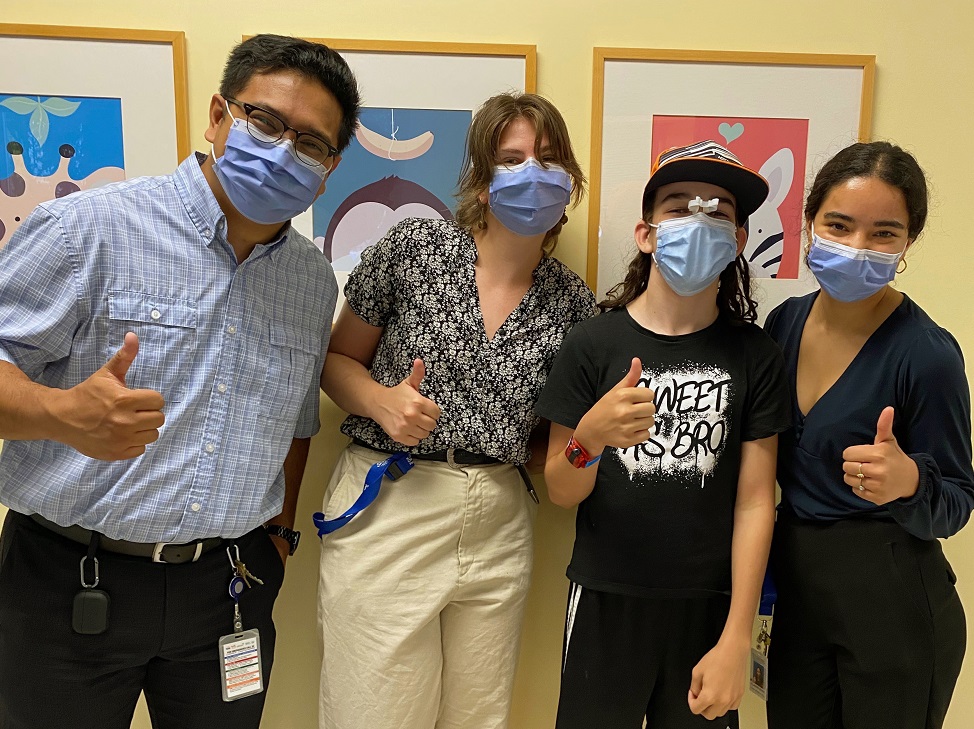
13-year visits

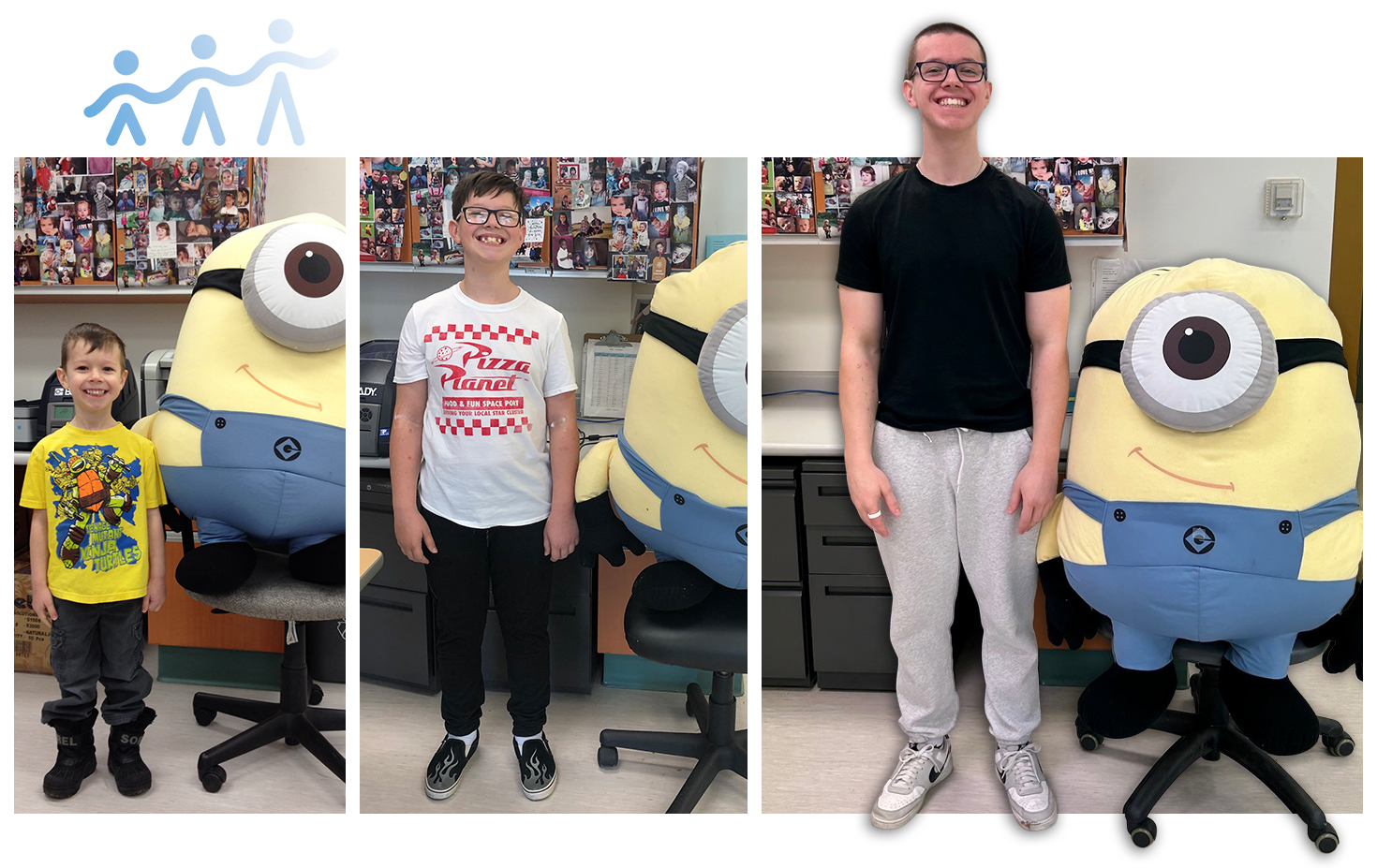
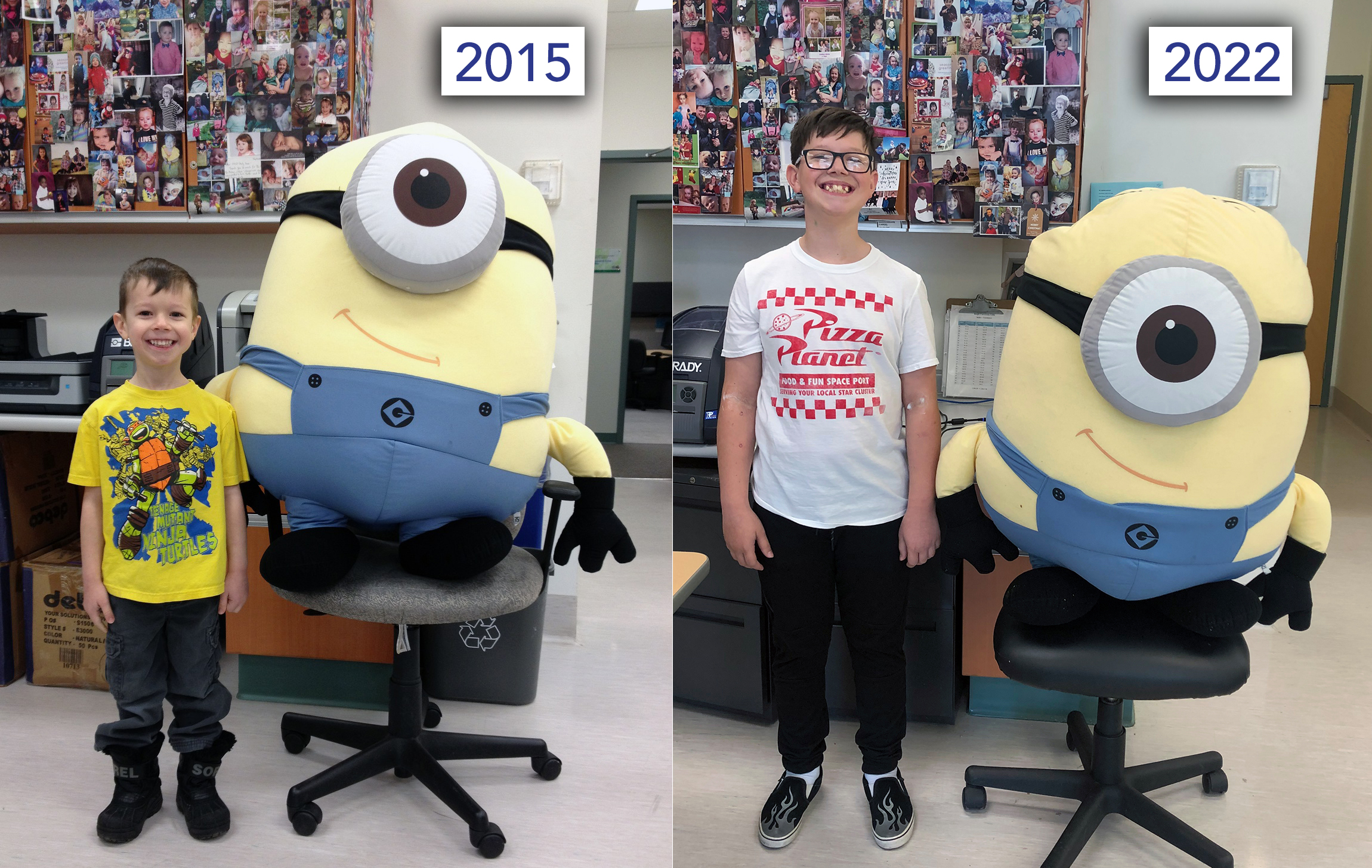
CHILD’s 13-year visits began in August 2022; the final 13-year visit across all sites took place in Manitoba, on 19 December 2025.

CHILD collected data from a total of 1,777 participants in the 13-year round. This included the completion of over 28,000 questionnaires—over 10,000 of which were completed by youth. Over 8,400 individual biological samples were collected.

We are, as always, deeply appreciative of the many families who gave us their time and opened their lives to us yet again for this round of data collection.

CHILD data technicians are now in the process of “cleaning” the 13-year data (checking for errors and ensuring consistency), in preparation for inclusion in CHILDdb, the Study’s database.

The data will also be “de-identified” (disassociated from any personally identifying information, like a participant’s name and address) before being integrated into CHILDdb.

CHILD researchers will undertake a preliminary analysis of the data before it is approved for broader access. Only then will the data be made available to other eligible researchers, upon the approval of their requests.

It is expected the 13-year data will be available for research requests through CHILDdb by late 2026.

For a description of how CHILD data is kept private and secure, and provided only to approved researchers for approved purposes, check out the overview below, prepared for participants’ information.

If you answer questions honestly about personal things will we judge you or get you in trouble with your parents? Will other people find out?

Confidentiality: No, absolutely not. All your answers are treated as strictly confidential. More importantly, all your data is collected and processed in such a way that it is de-identified (no one can connect it with you as an individual) before it is used for research. CHILD data is analyzed at the population (group) level, not at the level of the individual person.

Safeguards to protect your privacy: We commit to treating your data this way in our agreements with you (your consent), and we are held to these standards by the research offices of the universities that host CHILD. We use specialized software and follow detailed protocols that safeguard these rules and keep your data as secure and private as possible.

It’s in our interest too: If we could not guarantee confidentiality, data security, and the de-identification of your information, we would not ask you all the things we ask. We know we must be trustworthy to expect fully honest answers, and only fully honest answers will make the research meaningful.

Your welfare comes first: The only exceptions to this are: 1) if you request access to the results of certain tests; or 2) if the data we collect from you suggest that you may be at high risk — for example, of a serious disease or self-harm, in which case we would have to connect you with appropriate support.